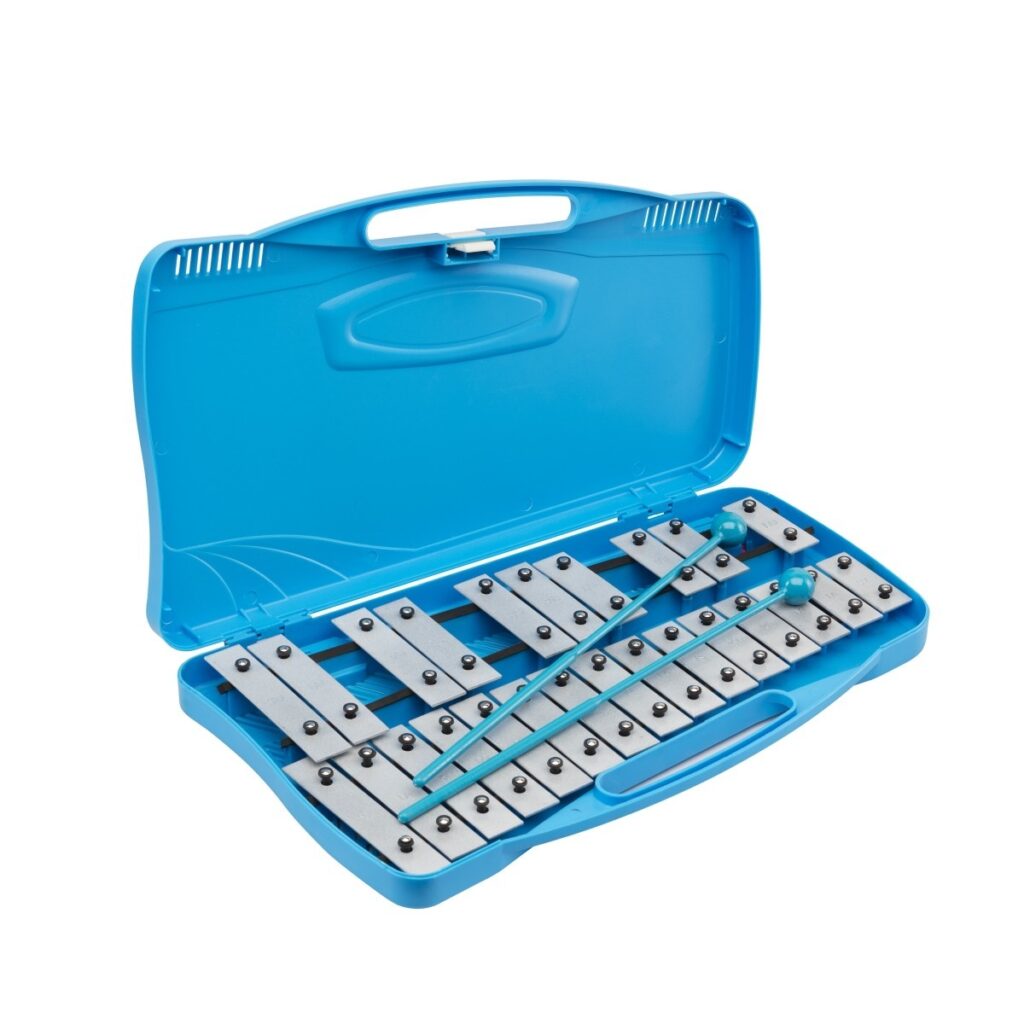
Pardavėjas neatsako už tai, kad El. parduotuvėje esančios prekės savo spalva, forma ar kitais parametrais gali neatitikti realaus prekių dydžio, formų ir spalvos dėl Pirkėjo naudojamo vaizduoklio ypatybių.
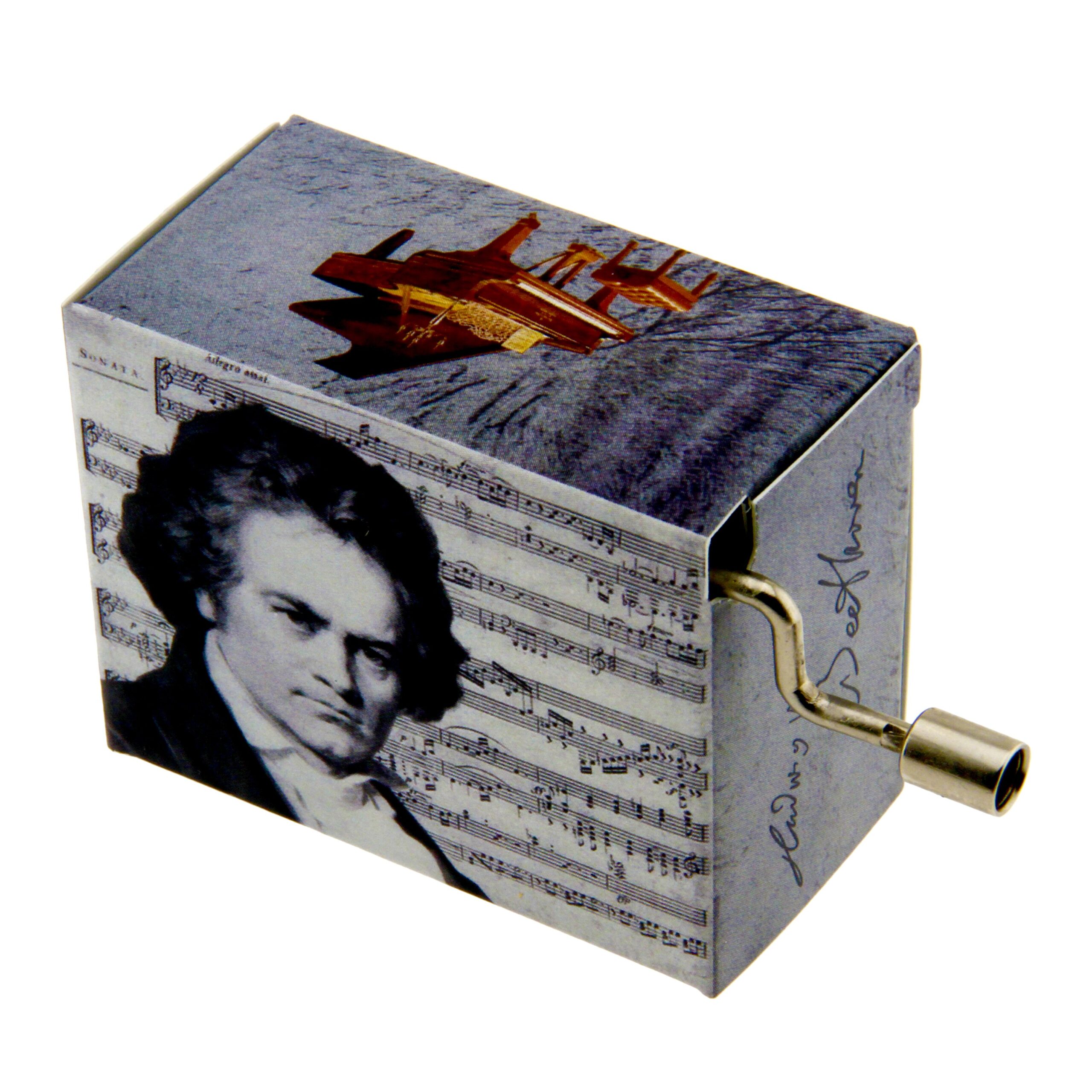
When you turn the crank of the music box, the European anthem "Ode to Joy" by Ludwig van Beethoven sounds.
The heroic melody sounds even more powerful when you free the little musical mechanism from its lovingly designed box. Since the mechanism is mounted on a small wooden board, this music box unfolds its sound particularly well when pressed onto a large resonating body, such as a table, chair or box.
By the way: In Leipzig, the hometown of our DAN MOI team, Friedrich Schiller began writing the "Ode to Joy" in 1785. Schiller's words describe the vision of a worldwide joyful society based on equality. Impressed by Schiller's lines, Ludwig van Beethoven set the poem to music in his 9th Symphony, which he composed with almost complete deafness in 1824. Despite this, this symphony, together with the "Ode to Joy", is one of the best-known works of classical music.
When you turn the crank of the music box, the European anthem "Ode to Joy" by Ludwig van Beethoven sounds.
The heroic melody sounds even more powerful when you free the little musical mechanism from its lovingly designed box. Since the mechanism is mounted on a small wooden board, this music box unfolds its sound particularly well when pressed onto a large resonating body, such as a table, chair or box.
By the way: In Leipzig, the hometown of our DAN MOI team, Friedrich Schiller began writing the "Ode to Joy" in 1785. Schiller's words describe the vision of a worldwide joyful society based on equality. Impressed by Schiller's lines, Ludwig van Beethoven set the poem to music in his 9th Symphony, which he composed with almost complete deafness in 1824. Despite this, this symphony, together with the "Ode to Joy", is one of the best-known works of classical music.